Securing Modern Healthcare Through Smart Technology Integration
Introduction
A single security lapse in a hospital can compromise sensitive patient information and disrupt critical services, making advanced protection more essential than ever. Healthcare facilities now face growing challenges as digital systems expand, and the need for reliable security and stable communication networks becomes increasingly vital. This Article discusses how innovative technology strengthens healthcare operations and highlights the role of Healthcare security services by Terapixels in elevating safety standards. The main focus revolves around creating secure, interconnected environments that support patient care and operational efficiency.
Enhancing Healthcare Protection
Healthcare professionals depend on uninterrupted access to accurate data, secure environments and reliable monitoring systems to deliver quality service. Rising digital adoption has increased vulnerabilities, making facilities more aware of the need for stronger security foundations. Many organizations now seek comprehensive solutions that safeguard both physical and digital assets, which is where Healthcare security services by Terapixels demonstrate significant value. These advanced measures ensure smoother workflows, reduced risks and a safer experience for patients and staff while supporting long-term institutional stability.
Technology-Driven Security Evolution
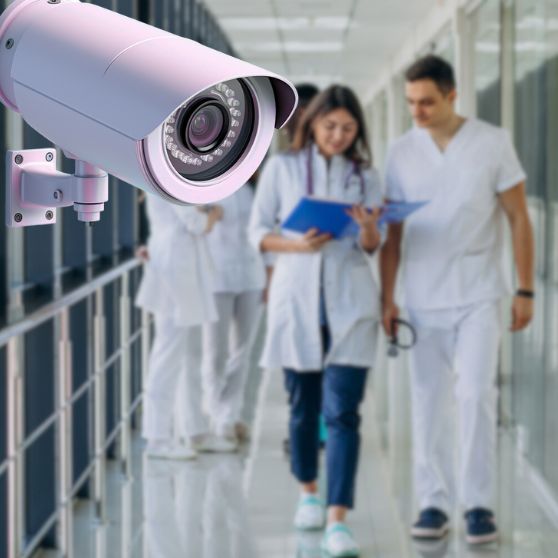
Modern healthcare settings are shifting from traditional protective methods to more intelligent, technology-based systems. This shift is driven by increasing data volumes, interconnected devices and the need for instant communication. Innovations such as real-time surveillance, access control and automated alerts now help facilities anticipate and respond to threats more effectively. By blending analytical tools with on-ground surveillance, Healthcare security services by Terapixels play a key role in transforming hospitals into smarter, more responsive environments where security seamlessly supports daily operations and patient care.
Strengthening Networks Through Cabling Solutions
Reliable communication networks are essential for supporting digital integrations, remote monitoring tools and data-driven medical technologies. Efficient cabling systems help healthcare environments maintain consistent connectivity while handling high data loads. The significance of Terapixels Structural Cabling solutions becomes clear as hospitals invest in structured systems designed for stability, organization and long-term performance. These cabling networks help minimize disruptions, enhance communication speed and support the rapidly expanding digital requirements of healthcare institutions across different departments.
Optimizing Healthcare Infrastructure
Consistent network performance affects nearly every aspect of modern medical service delivery, from telemedicine to diagnostic equipment. Facilities increasingly recognize the importance of scalable communication frameworks that support growth without compromising reliability. The introduction of advanced, well-planned Terapixels Structural Cabling solutions helps maintain operational continuity, reduce maintenance concerns and ensure that mission-critical systems function with precision. This upgraded infrastructure supports healthcare teams in accessing vital data quickly, responding to emergencies efficiently and enhancing overall patient experiences.
Conclusion
Advanced technology continues to shape the future of secure and connected healthcare environments. Strong protective systems combined with reliable communication networks allow medical facilities to function with confidence and efficiency. The integration of modern security solutions and structured network designs contributes to safer, more resilient operations that support both patients and professionals. Additional information about these services can be found at terapixels.net, offering deeper insight into how Terapixels Structural Cabling solutions contribute to a technologically strengthened healthcare system.


Comments
Post a Comment